
What are some things to consider when buying a baby green cheek conure parrot

When buying a baby green cheek conure, there are several important factors to ponder for the well-being of your new pet. First, assess health by observing behaviors like alertness and checking for clear eyes and clean feathers. The bird's personality is also key; look for social traits and how comfortable it feels during interaction. Providing a suitable environment matters too—ensure you have an appropriately-sized cage with safe bedding and toys.
It's crucial to offer a balanced diet consisting mainly of pelleted food along with fresh fruits and vegetables in moderation. Don’t forget about regular veterinary care to monitor health throughout their life!
1. Health Assessment for Your Baby Green Cheek Conure

Credits: indulgexpress.com
Before purchasing a baby green cheek conure, it’s essential to evaluate its health. Look for signs of an active bird—one that is alert, curious, and interested in its surroundings. Check for a healthy appearance, including bright, clear eyes, clean feathers, and a well-formed beak. Avoid birds that show any signs of illness, such as lethargy, bald spots, or discharge from their eyes or nose.
It’s also a good idea to check the temperature of their feet; they should feel warm and not overly cold, as cold feet can indicate underlying health issues. Taking the time for this health assessment can help you choose a happy, healthy companion.
2. Understanding Personality Traits of Conures
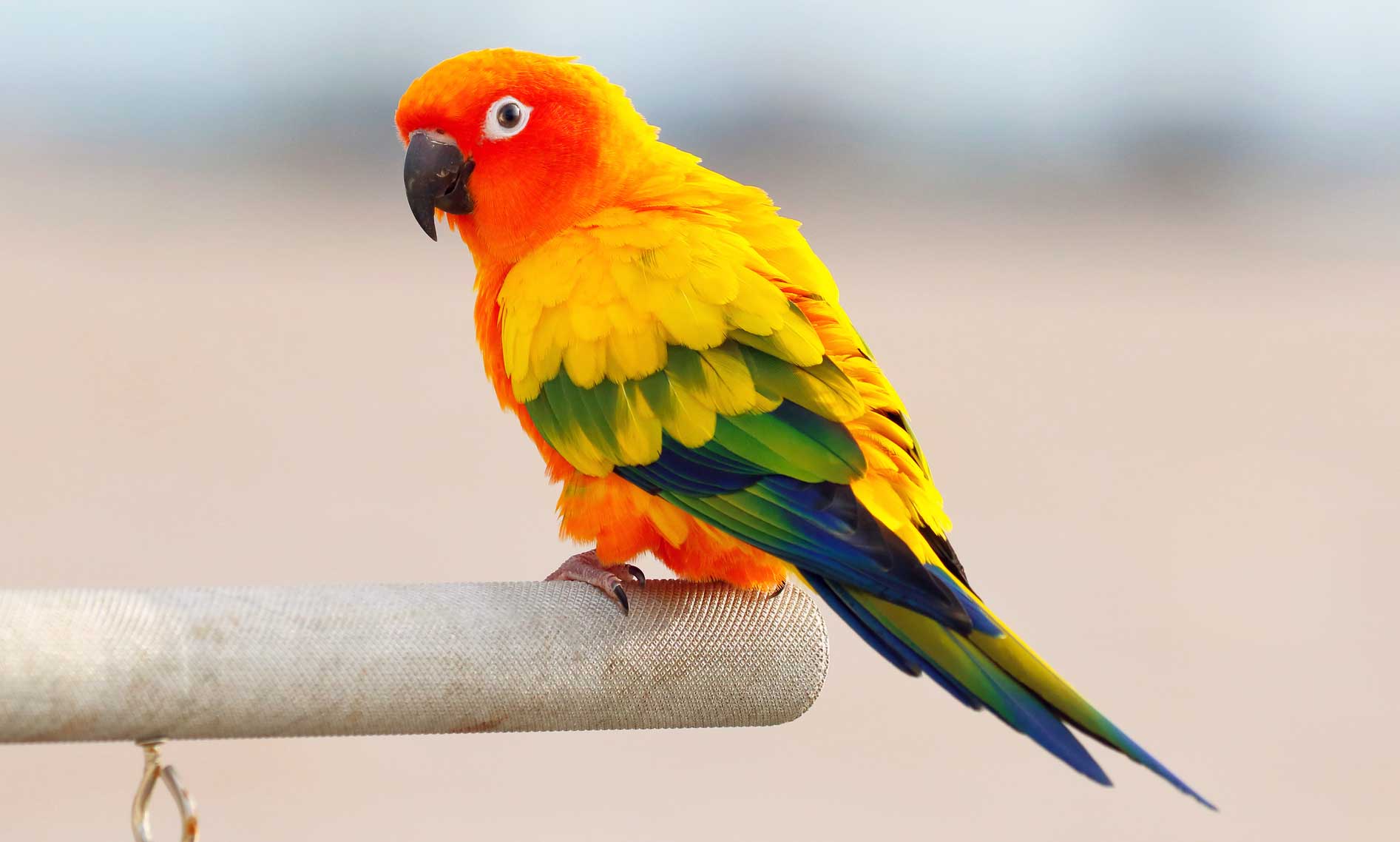
Credits: be.chewy.com
Green cheek conures are known for their vibrant personalities, which can greatly influence how they fit into your home. One of the most important traits to consider is their social nature. These birds are naturally curious and enjoy interacting with their human companions. A well-socialized baby conure will be more inclined to engage with you and your family, making it essential to look for birds that display friendly behavior.
When you approach a baby conure, observe its reaction. A bird that is comfortable and relaxed around people is a better choice than one that shows signs of fear or aggression, such as biting or excessive squawking. Ideally, you want a bird that is eager to come to you and explore its surroundings.
Another trait to keep in mind is their playfulness. Baby conures are often very active and enjoy toys and games. A playful bird will exhibit a lot of energy and excitement, indicating a healthy and happy personality. Look for signs like climbing, playing with toys, or hopping around, which are all good indicators of a lively conure.
It's also important to consider how the bird reacts to handling. A conure that enjoys being held and cuddled is likely to develop a strong bond with you over time. However, some birds may prefer to observe from a distance initially, which is also normal. Patience and gentle interaction will help build their confidence.
In summary, understanding the personality traits of green cheek conures is crucial when selecting your new pet. Look for a sociable, curious, and playful bird, as these traits not only reflect a healthy conure but also enhance the joy of having a pet parrot.
3. Setting Up the Right Housing Environment

Credits: wikihow.com
Creating a suitable habitat is crucial for your conure's well-being. Start with the cage size; it should be at least 24” W x 24” D x 30” H. This space allows your bird enough room to move around and stretch its wings. Make sure the bars are spaced no wider than ¾ inch apart to prevent escapes. Next, consider the cage location. It should be placed in a well-lit, draft-free area, away from direct sunlight, but still accessible for interaction. Avoid placing the cage in a busy area where it might feel stressed by too much noise.
When it comes to bedding and accessories, use safe options like paper-based products that are easy to clean. Your conure will need various perches made from different materials to keep its feet healthy and active. Additionally, include toys to stimulate its mind and encourage play. A water dish that is large enough for bathing is also essential, as green cheek conures enjoy splashing around.
Finally, think about the overall environment. Providing a stimulating and safe space not only contributes to your bird's physical health but also enhances its emotional well-being. Regularly check and clean the cage to maintain hygiene, as a clean environment is vital for preventing illness.
4. Nutrition Needs for a Healthy Diet
A balanced diet is critical for your conure's health. Start with high-quality pelleted food, which should make up 60-70% of their diet. These pellets are specially formulated to provide the essential nutrients that green cheek conures need for growth and maintenance. Brands like Harrison's or Zupreem offer great options tailored for small parrots.
In addition to pellets, include fresh foods in your bird's diet. Offer a variety of fruits and vegetables, such as apples, carrots, and leafy greens. These should be given as treats and should not exceed 10% of their overall diet. It's important to avoid harmful foods like onions, garlic, and avocado, as they can be toxic to birds.
Always ensure your conure has access to fresh, clean water. Change the water daily to keep it free from bacteria and contaminants. You can also offer the occasional treat, like nuts or seeds, but these should only be small portions, as they are high in fat.

5. Importance of Socialization and Interaction
Green cheek conures are social birds that thrive on interaction. They are naturally curious and enjoy being part of their human family's activities. To foster a strong bond, it's essential to encourage all family members to engage with the bird. This can involve allowing the bird to join in during meals or simply sitting nearby while interacting with toys. Such involvement helps the bird feel included and reinforces its role within the household 'flock.'
Training is another vital aspect of socialization. Start with simple commands and tricks, as this not only stimulates the bird's mind but also enhances the bond between you and your conure. For instance, teaching your bird to step up onto your finger is a great way to encourage trust and cooperation. Regular interaction and training keep the bird mentally engaged and help prevent behavioral issues that arise from boredom or loneliness.
Additionally, providing opportunities for playtime outside the cage is crucial. Supervised flight time in a safe area allows the bird to explore and engage its natural instincts while deepening the connection with its owner. Overall, socialization and interaction are key components in ensuring your green cheek conure thrives both emotionally and physically.
6. Keeping Your Conure Mentally Stimulated
Keeping your green cheek conure mentally stimulated is essential for their overall well-being and happiness. These birds are intelligent and curious, requiring regular engagement to prevent boredom and behavioral issues. One effective way to stimulate their minds is through toys. Provide a variety of safe toys made from different materials, such as wood, rope, and plastic. Rotate these toys frequently to keep their interest alive. For example, hanging a puzzle toy that dispenses treats can challenge them and keep them entertained.
Another important aspect is daily exercise. Allow your conure time outside of the cage in a safe, supervised area where they can fly and explore. This not only helps them physically but also provides mental stimulation as they discover new sights and sounds. You might set up a play gym with various perches and climbing structures to encourage activity.
Additionally, consider incorporating training sessions into their routine. Teaching your conure simple tricks or commands can be a fun way to bond while keeping their minds active. Use positive reinforcement, such as treats or praise, to encourage learning. For instance, you can teach them to step up or turn around, which can also enhance their social skills.
Lastly, engaging in interactive play with your conure can provide valuable mental stimulation. Spend time talking to them, letting them explore your clothing, or even playing games like hide-and-seek with their toys. All these activities help keep your conure happy and mentally sharp.
Provide a variety of toys to prevent boredom
Rotate toys regularly to keep things fresh
Include foraging toys that encourage natural behaviors
Schedule daily playtime outside the cage
Offer different types of activities, such as puzzles or trick training
Engage in interactive play, like hiding treats for your bird to find
Ensure they have a view of the outside or interesting surroundings
7. Regular Veterinary Care and Check-Ups
Regular veterinary care is crucial for the health of your baby green cheek conure. Schedule annual check-ups with an avian veterinarian who specializes in birds. These visits can help catch any potential health issues early, ensuring your bird remains healthy and happy. During these check-ups, the vet will examine your conure's feathers, beak, and overall condition, as well as perform tests if necessary to check for common diseases.
It's essential to be aware of signs that may indicate your bird is unwell, such as changes in appetite, unusual droppings, lethargy, or excessive feather plucking.
If you notice these symptoms, seek veterinary advice promptly. Keeping up with vaccinations and preventative care will also help protect your conure from diseases, making regular veterinary visits a vital part of responsible pet ownership.
Frequently Asked Questions
1. What should I look for in a healthy baby green cheek conure?
When buying a baby green cheek conure, check for bright eyes, clean feathers, and active behavior. A healthy bird should be curious and responsive.
2. How do I choose the right age for my green cheek conure?
It's best to choose a baby conure that is at least 8 weeks old. This age ensures they are weaned and can eat on their own.
3. What kind of socialization does a baby green cheek conure need?
Baby green cheek conures require regular social interaction. Spend time with them daily to help them bond with you and become friendly.
4. Are there specific diet needs for baby green cheek conures?
Yes, baby green cheek conures need a balanced diet, including a mix of pellets, seeds, fruits, and vegetables to grow healthy and strong.
5. What should I prepare in my home before bringing a baby conure?
Before bringing your baby conure home, set up a safe cage, provide toys for stimulation, and establish a quiet space for them to feel secure.
Conclusion:
When buying a baby green cheek conure, ensure the bird's health is assessed by checking its activity level, appearance, and warmth of its feet. Understand the conure's personality traits, such as sociability and curiosity. Provide a spacious and safe housing environment, along with a balanced diet of pellets and fresh foods. Encourage socialization and interaction, and keep the bird mentally stimulated with toys and exercise. Regular veterinary care and monitoring for illness signs are essential for a healthy pet.

Viola R. Daigle
I'm Viola R. Daigle, a dedicated Internet Marketer. I work with WarriorPlus as a Vendor and Affiliate, and I’m also an Affiliate on JVZoo and Legendary Marketer. My passion is to provide honest and detailed reviews of Internet Marketing (IM) products and software. I love helping people choose the right tools and strategies to grow their online business with confidence.


